Understanding and Managing Your Daily Expenses
In Uganda, like anywhere else, effectively managing your daily expenses is crucial for achieving financial stability and reaching your long-term financial goals. Many Ugandans face unique challenges related to income fluctuation, access to financial services, and cultural spending habits. This guide will equip you with the knowledge and tools to take control of your spending, identify areas for reduction, and ultimately improve your financial well-being.
Daily expenses are the small, recurring costs that can easily add up over time. These include transportation fares (like boda-boda or taxi), food and beverages, airtime for your mobile phone, entertainment, and small household items. While individually they might seem insignificant, collectively they can significantly impact your budget.
Tracking Your Expenses: The Foundation of Control
Before you can reduce your expenses, you need to understand where your money is going. Expense tracking is the process of recording every shilling you spend, allowing you to identify spending patterns and potential areas for savings. Here are several methods you can use:
- Notebook and Pen: A simple and accessible method. Carry a small notebook and jot down every expense as it occurs. At the end of the day or week, categorize and total your spending.
- Mobile Apps: Numerous mobile apps are available for expense tracking, offering features like automatic categorization, budgeting tools, and report generation. Some popular apps include Spendee, Mint, and local Ugandan budgeting apps.
- Spreadsheets: Create a spreadsheet using programs like Microsoft Excel or Google Sheets. This allows for detailed categorization, customized reports, and visual representation of your spending.
- Mobile Money Statements: Review your mobile money statements from providers like MTN Mobile Money or Airtel Money. These statements provide a record of your transactions, making it easier to identify spending patterns.
Example Expense Tracking Table:
| Date | Item | Category | Amount (UGX) | Notes |
|---|---|---|---|---|
| 2024-01-15 | Boda-boda fare | Transportation | 2,000 | To office |
| 2024-01-15 | Lunch (Kikomando) | Food | 3,000 | At local restaurant |
| 2024-01-15 | Airtime | Communication | 5,000 | MTN Airtime |
| 2024-01-15 | Evening Snack (Rolex) | Food | 2,500 | Street vendor |
| 2024-01-15 | Contribution to Chama | Savings/Investment | 10,000 | Weekly contribution |
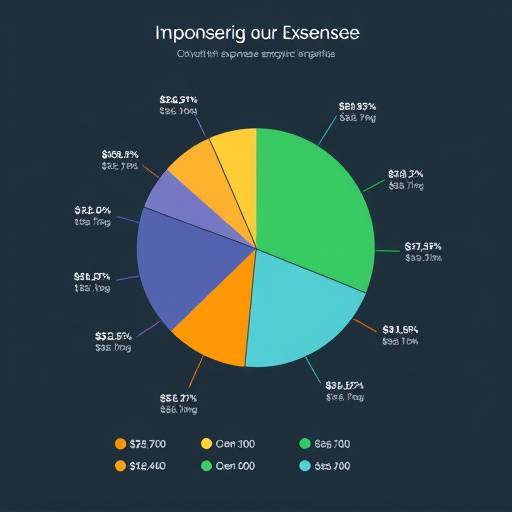
Once you’ve tracked your expenses for a month, analyze your spending patterns. Identify areas where you are overspending and where you can potentially cut back.
Effective Expense Reduction Strategies for Ugandans
Now that you know where your money is going, it’s time to implement strategies to reduce your daily expenses. Here are some practical tips tailored for the Ugandan context:
- Budgeting and Planning: Create a realistic budget that allocates your income to essential expenses, savings, and discretionary spending. Stick to your budget as closely as possible.
- Meal Planning: Plan your meals for the week and cook at home more often. Eating out at restaurants or buying takeaway food can be expensive. Prepare your own lunch and snacks to take to work. Consider buying groceries in bulk from markets like Owino Market to save money.
- Transportation Alternatives: Explore cheaper transportation options. Consider walking, cycling, or using public transport (taxis or buses) instead of always relying on boda-bodas. Negotiate boda-boda fares before you start your journey.
- Reduce Airtime Consumption: Limit unnecessary phone calls and use messaging apps like WhatsApp for communication. Take advantage of data bundles offered by mobile networks, as they are often more cost-effective than paying per minute.
- Entertainment Alternatives: Find affordable or free entertainment options. Visit local parks, attend community events, or organize game nights with friends at home.
- Negotiate Prices: Don't be afraid to negotiate prices when shopping at markets or buying services. Bargaining is a common practice in Uganda and can help you save money.
- Energy Conservation: Reduce your electricity consumption by switching off lights when you leave a room, using energy-efficient appliances, and unplugging electronic devices when they are not in use.
- Water Conservation: Conserve water by fixing leaks, taking shorter showers, and using water-efficient appliances. This can help reduce your water bill.
- Avoid Impulse Purchases: Resist the temptation to buy things you don't need. Before making a purchase, ask yourself if it is truly necessary and if you can afford it.
- Take Advantage of Discounts and Promotions: Look for discounts and promotions offered by local businesses. Many supermarkets and shops offer special deals on certain days or products.
- Utilize Mobile Money Wisely: While mobile money is convenient, transaction fees can add up. Plan your transactions and consolidate payments to minimize fees. Consider using mobile money for larger transactions and cash for smaller, everyday expenses.
Common Pitfalls to Avoid
Even with the best intentions, it’s easy to fall into common spending traps. Be aware of these pitfalls and take steps to avoid them:
- Lack of a Budget: Without a budget, you’re essentially spending blindly, making it difficult to control your expenses.
- Emotional Spending: Spending money to cope with stress, sadness, or boredom can lead to overspending and debt. Find healthier ways to manage your emotions.
- Keeping Up with the Joneses: Feeling pressured to spend money to impress others can lead to financial strain. Focus on your own financial goals and values.
- Ignoring Small Expenses: Those seemingly insignificant daily expenses can quickly add up and derail your budget. Track everything, no matter how small.
- Not Reviewing Your Spending: Regularly review your spending habits and make adjustments to your budget as needed.
- Impulse Buying During Sales: Don't let sales pressure you into buying things you don't need. Stick to your budget and only purchase items you've planned for.
- Failing to Save for Emergencies: Unexpected expenses can throw your finances into disarray. Build an emergency fund to cover unforeseen costs.
"Financial freedom is not about acquiring more; it's about managing what you have." - Dr. Aisha Nakato, Financial Advisor, Kampala Financial Services.